

Everything but Flying – and for as long as possible

Until a causative cure, such as gene therapy, becomes available, Reinhard John relies on TES for the treatment of his Retinitis pigmentosa. While it cannot restore his ability to fly, the former pilot hopes it can freeze his current condition.
Early Diagnosis and Episodic Progression
As part of their regular fitness-to-fly tests, professional pilots must always undergo an eye examination. In June 1999, visual field defects were detected in police officer and helicopter pilot Reinhard John. After the initial suspicion of a brain tumor was fortunately not confirmed, Retinitis pigmentosa was diagnosed at the Tübingen Eye Clinic. In 2000, John received the final notification from the Federal Aviation Office that he was no longer declared fit to fly. He thus had to give up his heart’s desire, flying. “I am fundamentally a positive person. At that time, however, I went through many ups and downs. Since I practically noticed nothing of the disease for the first ten years, I could at least remain in service as flight operations manager,” says John, who then retired regularly at 60.
For years, his results during check-ups remained stable. From about 2010, the disease then progressed in episodes. “I had a kind of arc in my visual field that gradually closed,” John describes. The limitations became noticeable, for example, during sports. John is a passionate ball sports enthusiast and also active as a sports instructor in health sports. John knows how to help himself with his hobbies and takes it – well, sportingly: “I can compensate for many things and, for example, make more eye movements to follow the ball. The disease-related light sensitivity in summer outdoors bothers me. Then I sometimes lose a tennis match. But then I tell myself that it’s not due to a lack of skill, but to the disease, for which I am not to blame. Overall, I am very grateful that I can still play today,” John emphasizes.
Maintaining Quality of Life in Professional and Private Spheres
He first came into contact with TES participating in a study at the Tübingen Eye Clinic. Subjectively, after one year of stimulating one eye, he could not make out any difference between the two eyes. Nevertheless, when John learned at an information event in 2016 that TES was offered as a treatment, he decided to pursue it. “I had informed myself, and it was clear that there would be no cure, such as gene therapy, in the foreseeable future. Until that time comes, I will therefore use TES,” says John. He began stimulation in August 2017. “It is my perception, the disease continues to progress. However, at the last examination at the Eye Clinic in June 2020, the situation was assessed as stable. If the condition can be frozen like this, I am already satisfied,” John continues.
Regarding the application, John prefers the morning hours over the evening. “It works better then because the eyes are rested, and it runs more smoothly.” On the whole, he manages the handling well but finds support from another person important: “Just so that the electrodes are properly attached.”
Insights onTherapy, Research & Company

Patient Story – Anja Renner
Paratriathlete Anja Renner openly shares her life with RP and her experiences with OkuStim® therapy – honest, relatable, encouraging.

Maintaining quality of life
Ines has relied on TES for years – active in her studies, sport, and everyday life.
Seize Opportunities
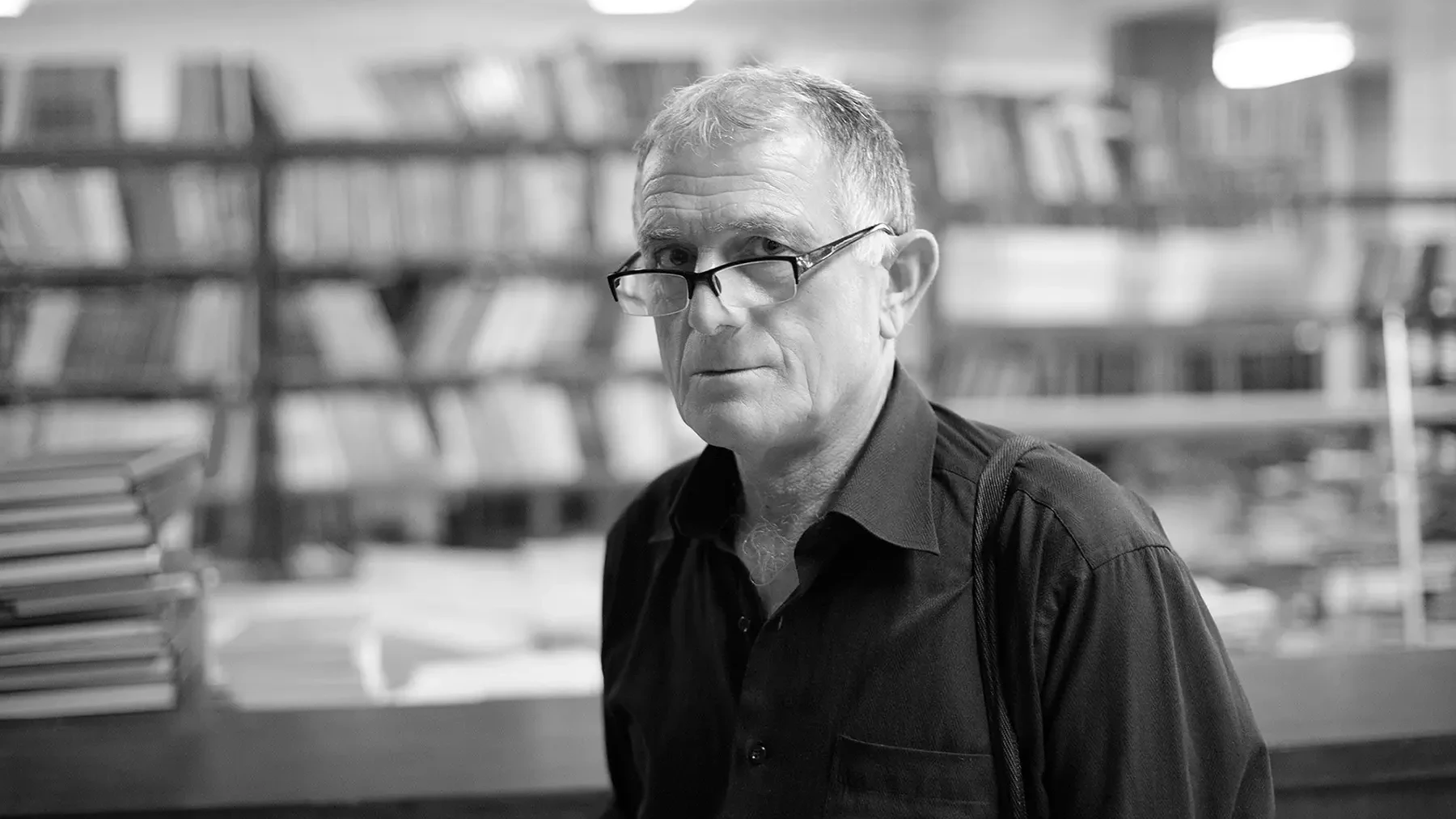
Living with RP for decades, using TES since 2019: Haap relies on structure, support, and optimism. He reports noticeable changes in his daily life.