
Press release
Open-access publication describes the design, endpoints and safety concept of the ongoing randomized pilot study at University Medical Center Mainz.
Recruitment remains open.
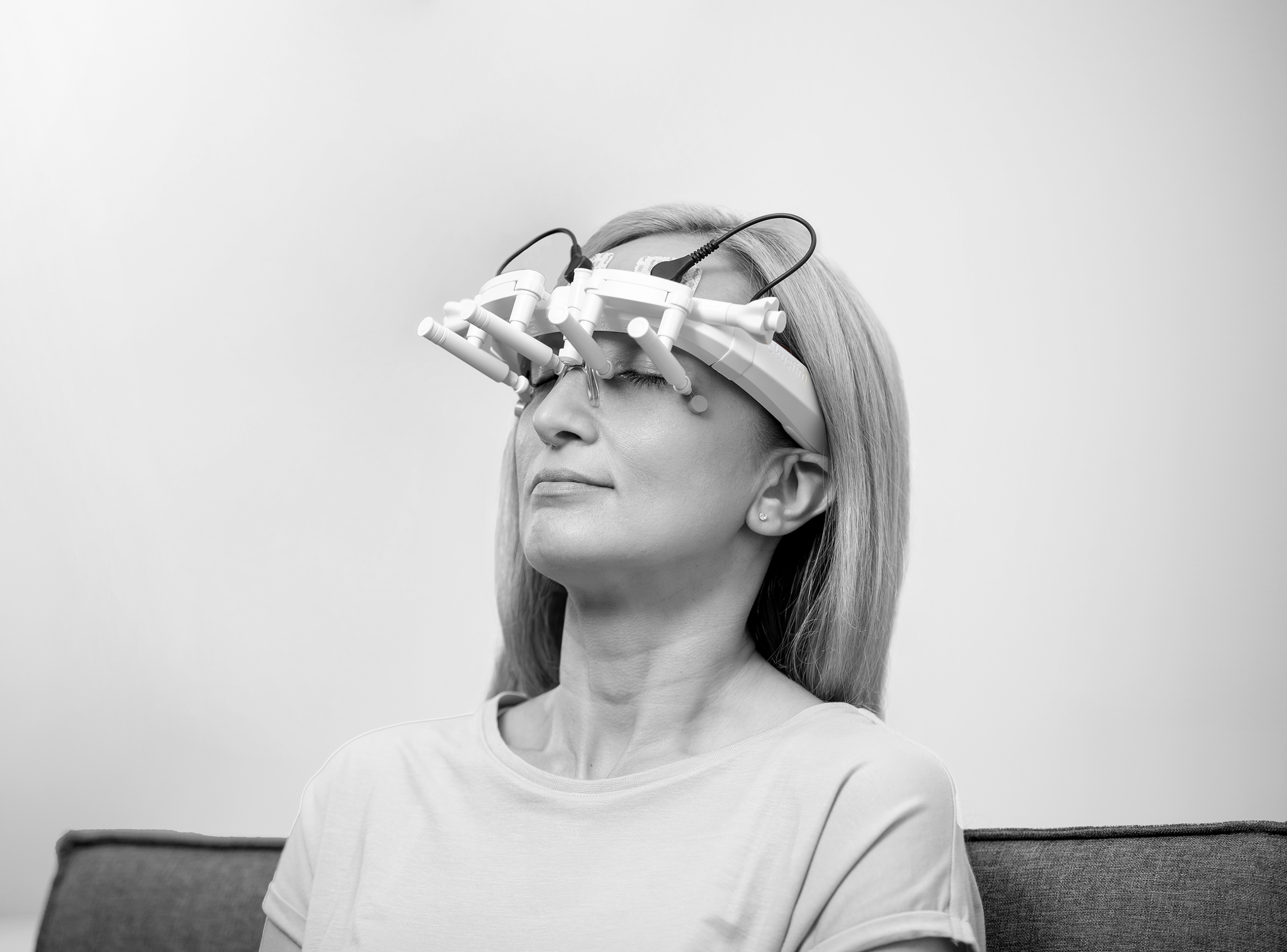
Study protocol published in BMJ Open: TES‑GPS investigates transcorneal electrical stimulation in open-angle glaucoma – recruitment is ongoing
The study protocol for the TES‑GPS clinical trial on transcorneal electrical stimulation (TES) in open-angle glaucoma has now been published as an open-access article in the journal BMJ Open. The publication describes the methodology of the ongoing study—including study design, endpoints and blinding concept—and is intended to create transparency and promote scientific discussion. At the same time, Okuvision, as sponsor, together with University Medical Center Mainz, points out that recruitment is still open: patients with demonstrably progressive visual field defects in open-angle glaucoma are welcome to enroll.
Publishing a study protocol creates transparency how a clinical trial is planned: which patient group will be included, which examinations will be undertaken, which outcome measures will be assessed, and how bias can be reduced through randomization and blinding. A published protocol therefore strengthens the transparency of clinical research—a key factor for trust among patients as well as for assessment by the professional community.
Prof. Dr. Dr. Katrin Lorenz, Head of the Clinical Study Center at the Department of Ophthalmology and Polyclinic of University Medical Center Mainz and principal investigator of the study:
“With the protocol publication, we disclose the criteria by which we include patients, how the treatment is carried out, and which endpoints we assess. This is an important contribution to transparency—and at the same time an invitation to draw the attention of suitable affected individuals to the possibility of participating in the study.”
Aim of the TES-GPS study: slowing the progression of visual field defects in addition to the standard of care
In glaucoma, lowering intraocular pressure is currently the central treatment option. Nevertheless, in some affected individuals the disease continues to progress despite treatment. The TES‑GPS study therefore investigates TES as an adjunct approach to potentially stabilize glaucoma-associated visual field defects for longer.
In the study, TES is being evaluated using the OkuStim® 2 system. The therapy is administered once a week for 30 minutes and can—after instruction—be carried out at home. The study is designed as a single-center, randomized, double-masked, sham-controlled pilot study.
Alfred Stett, CEO of Okuvision:
“Despite established pressure-lowering therapies, glaucoma remains a major challenge for many affected individuals. As sponsor, we support the clinical trial of transcorneal electrical stimulation as an adjunct approach. What is crucial now is that a sufficient number of suitable patients take part—only then can clinical research make progress possible.”
Who can participate?
The study is aimed at patients with open-angle glaucoma (e.g., primary open-angle glaucoma, PEX or pigment dispersion glaucoma, or normal-tension glaucoma) and demonstrably progressive visual field loss. Key requirements include, among others:
- Minimum age: 40 years
- Documented progression of the visual field defects
- Ability to reliably carry out home use after instruction
- No active implants (e.g., pacemakers) and no other relevant eye disease that could substantially impair the evaluation
Interested affected individuals (or treating ophthalmologists) can contact the study team in Mainz directly. A non-binding preliminary assessment is possible.
Recruitment + DOG campaign: “For you. For everyone. For more sight.”
The recruitment call ties in with the initiative “For you. For everyone. For more sight.”, which is coordinated by the Working Group of Clinical Study Centers of the German Ophthalmological Society (DOG). The campaign emphasizes that clinical trials play a key role in ensuring that new treatment methods can be tested for efficacy and safety—and that sufficient participants are needed for this.
Study data at a glance
- Study: TES GPS (pilot study; single-center; randomized, double-masked, sham-controlled)
- Indication/population: 50 patients, ≥ 40 years, open-angle glaucoma with progressive visual field loss
- Primary endpoint: Change in visual field sensitivity (Humphrey Mean Deviation) after 18 months
- Intervention: TES with OkuStim® 2, once a week for 30 minutes, 18 months; home use after instruction
- Registry: ClinicalTrials.gov: NCT06682962
- Publication: Lorenz K. et al., BMJ Open 2026;16:e112879. DOI: 10.1136/bmjopen 2025 112879
- Funding/sponsorship: Sponsor Okuvision; funding including by the Federal Ministry of Education and Research (BMBF; grant number 13GW0732A)
Contact for study participation (University Medical Center Mainz)
Clinical Study Center, Department of Ophthalmology, University Medical Center Mainz
Email: klinisches-studienzentrum-augenklinik@unimedizin-mainz.de
Telephone: +49 6131 17 3612
Insights onTherapy, Research & Company

Interview: Founding & Vision
Alfred Stett on the journey from neurostimulation to evidence-based care—and what drives Okuvision.

RP: Myth Check – What’s Really True
Concise, clear, evidence-based: We dispel false expectations and show what is possible today.